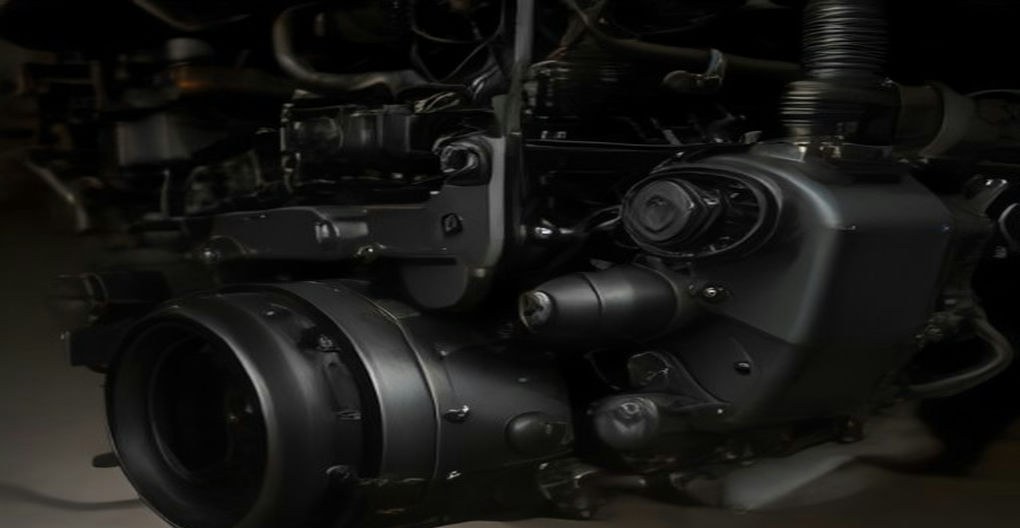
Diesel engines have a well-earned reputation for longevity — it’s common to see diesel trucks and cars with 300,000+ miles on the original engine. But that durability isn’t automatic. Diesels operate under higher compression, produce more soot, and carry complex emissions equipment that gasoline engines don’t have. Diesel engine maintenance has its own rules, and following them is what separates the 300,000-mile legends from the expensive repair stories.
Whether you drive a diesel pickup, an SUV, or a European diesel sedan, this guide covers the maintenance items that matter most, the intervals to follow, and the mistakes that kill diesels early.
Diesel Engine Maintenance: The Core Schedule
Diesels generally need more frequent attention to filters and less frequent attention to ignition (there are no spark plugs). A solid baseline schedule:
- Engine oil and filter: every 5,000–7,500 miles with diesel-rated oil (see below). Diesels soot-load their oil faster than gas engines, so don’t stretch to 10,000+ miles even with synthetic unless your manual and oil analysis support it.
- Fuel filter: every 15,000–30,000 miles — the single most important diesel-specific service. Diesel fuel systems run at 20,000–30,000+ psi, and a single particle of contamination can destroy injectors costing $300–$600 each.
- Air filter: every 15,000–30,000 miles; more often in dusty conditions. Diesels consume massive volumes of air, and a restricted filter hurts power and economy directly.
- Coolant: per the coolant type’s interval (typically 5 years/100,000 miles for extended-life), but check diesel-specific requirements — many diesels need supplemental coolant additives (SCAs) to prevent cylinder liner cavitation erosion.
- Transmission and differential fluids: every 50,000–60,000 miles, especially if towing — which most diesel owners do.
Use Diesel-Rated Oil — Gasoline Oil Isn’t Good Enough
Diesel engine oil must handle far higher soot levels and acid formation than gasoline oil. Look for API CK-4 (current standard) or FA-4 (for newer engines designed for thinner oils) ratings, and match the viscosity your manual specifies — commonly 15W-40 for older diesels, 5W-40 or 10W-30 for modern ones. Diesel oils carry a much stronger detergent and dispersant package; using gasoline-rated oil (API SP) in a diesel accelerates sludge and wear. Don’t chase the cheapest jug — oil is cheap, injectors and turbos are not.
Oil Change Reality Check for Diesels
Because of soot loading, go by the severe-service interval in your manual if you do lots of short trips, idling, or towing. An oil analysis (about $30 from a lab) once a year tells you exactly how your oil is holding up and whether your interval is right — cheap peace of mind for a $10,000+ engine.
DPF, EGR, and DEF: The Emissions Equipment That Needs You
Modern diesels (roughly 2008+ in the US) carry emissions systems that demand specific care:
- DPF (Diesel Particulate Filter): traps soot and burns it off in “regeneration” cycles. Regeneration needs sustained highway-speed driving — chronic short-trip driving clogs the DPF, triggering warning lights and eventually a $2,000–$4,000 replacement. If you mostly drive short trips, take the car for a 20–30 minute highway run weekly.
- EGR (Exhaust Gas Recirculation): recirculates exhaust to cut NOx. The EGR valve and cooler clog with carbon over time; symptoms include rough idle, hesitation, and check-engine lights. Periodic intake/EGR cleaning (every 60,000–100,000 miles) prevents most issues.
- DEF (Diesel Exhaust Fluid) / SCR: the urea solution injected to neutralize NOx. Keep the DEF tank filled with fresh, API-certified fluid — old or contaminated DEF crystallizes and kills the injector and pump. DEF has a shelf life of about 1–2 years; don’t stockpile it in a hot garage.
- Never delete emissions equipment to “simplify” maintenance. Beyond being illegal in most jurisdictions with heavy fines, deletes create resale, inspection, and warranty nightmares.
Glow Plugs and Cold-Weather Care
Diesels have no spark plugs — glow plugs preheat the combustion chamber for cold starts. Signs of failing glow plugs: hard starting in cold weather, white smoke on startup, and rough running for the first minute. They’re typically a 100,000-mile item, but test rather than guess: a failed plug draws no current, which a multimeter check reveals in seconds.
For winter: use winter-blend diesel or anti-gel additive before temperatures drop below about 15°F — gelled fuel in the filter strands you instantly. Plug in the block heater below 0°F (or whenever starting gets labored), and let the engine idle 1–3 minutes before driving off so oil reaches the turbo.
Fuel System: Treat It Like Fine China
- Never run the tank low. The fuel pump uses diesel for cooling and lubrication; running dry overheats the pump and introduces air that can be a nightmare to bleed on some systems.
- Drain the water separator regularly (monthly, or per your manual). Water in diesel fuel corrodes injectors and, in winter, freezes in the filter. Many trucks have a dash warning — don’t ignore it.
- Buy fuel from high-volume stations. Fresh, clean fuel from busy truck stops beats stale fuel from a station that sells 50 gallons of diesel a week.
- Consider a fuel additive with lubricity enhancers, especially with ultra-low-sulfur diesel (ULSD), which has less natural lubricity than older diesel. Cetane boosters also help cold starts and smooth running.
Turbocharger Care
Nearly all modern diesels are turbocharged, and the turbo is lubricated by engine oil at extreme temperatures. Two habits protect it: use the correct diesel-rated synthetic oil and change it on time (coked oil kills turbo bearings), and let the turbo cool down — after hard driving or towing, idle for 1–3 minutes before shutdown so oil keeps flowing while the turbo spools down. Shutting off a glowing-hot turbo instantly bakes the oil in its bearings.
Common Diesel Maintenance Mistakes
- Skipping fuel filter changes — the #1 cause of premature injector failure.
- Using gasoline-engine oil to save a few dollars.
- Ignoring the DPF warning light until the filter is irreversibly clogged.
- Excessive idling — it loads the oil with soot, wets the DPF with unburned fuel, and washes cylinder walls. Modern diesels need 30–60 seconds of warm-up, not 15 minutes.
- Neglecting coolant SCAs on engines that require them — liner cavitation eats through cylinder walls silently.
- Running cheap, stale, or contaminated fuel through a 30,000-psi injection system.
Diesel engine maintenance boils down to clean fuel, correct oil changed on time, healthy emissions equipment, and respect for the turbo. Do those four things and your diesel has every chance of joining the 300,000-mile club — while neglect in any one of them writes the repair bills diesels are famous for.