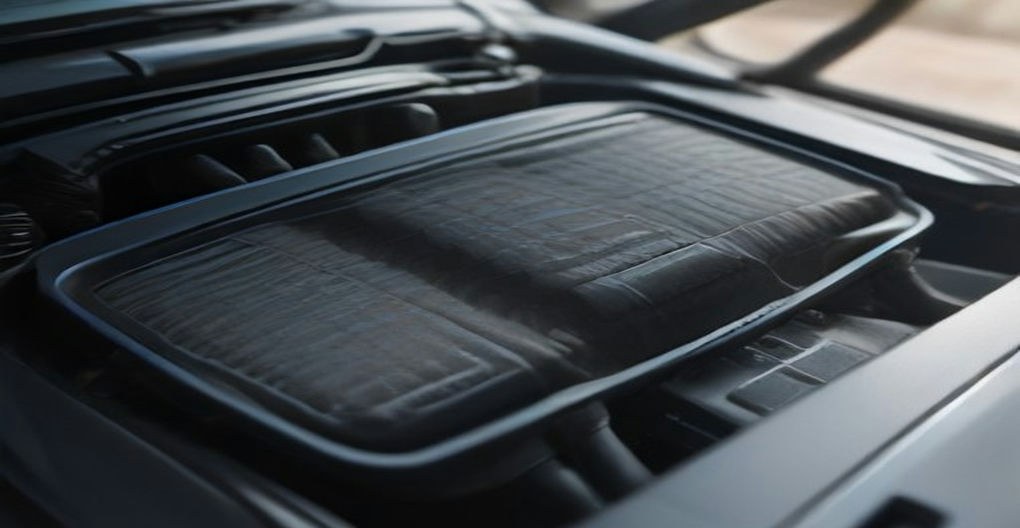
Of all the maintenance jobs on your car, few deliver as much bang for your buck as swapping the engine air filter. It’s cheap (usually $10–$25 for the part), it takes about ten minutes, and a clogged filter genuinely hurts fuel economy and throttle response. Yet it’s one of the most skipped services — usually because shops charge $30–$60 in labor for a job you can do in your driveway with zero experience.
Learning how to replace car air filter elements is the perfect first DIY project. There are no fluids to drain, no jacking the car up, and almost nothing you can break. If you can open a plastic box and unclip a few fasteners, you can do this. Below is the complete walkthrough: what to buy, the exact steps, how often to do it, and the mistakes that turn a 10-minute job into a headache.
How to Replace Car Air Filter: Tools and Parts You’ll Need
The good news: most cars need no tools at all. The air filter lives inside a black plastic box (the airbox) under the hood, and it’s usually held shut with metal clips or a few screws.
- New engine air filter — match it to your exact year, make, model, and engine. Auto parts stores have a fitment catalog; buy the filter for your specific car, not a “universal” one.
- Screwdriver — flathead or Phillips, depending on your airbox fasteners. Some cars use Torx screws, so check first.
- Shop towel or rag — to wipe out dust and debris from inside the airbox.
- Gloves (optional) — the old filter can be filthy.
Difficulty: 1/5 — beginner. Time: 5–10 minutes. Cost: $10–$25 for the filter.
Step-by-Step: Replacing Your Engine Air Filter
Step 1: Locate the airbox
Pop the hood and look for a large black plastic box, usually on one side of the engine bay, with a thick intake tube running from it to the engine. That’s the air filter housing. On some trucks and SUVs it sits right on top of the engine. Your owner’s manual has a diagram if you’re unsure.
Step 2: Open the airbox
Release the clips or remove the screws holding the lid. Most airboxes have 4–6 spring clips you flip open by hand. If there are screws, set them somewhere safe — losing one in the engine bay is the classic way this job takes 30 minutes instead of 10. Lift the lid just enough to access the filter; on some cars the lid stays tethered by the intake hose, which is fine.
Step 3: Remove the old filter and note its orientation
Lift the old filter straight out. Before you touch anything else, look carefully at how it sits — which side faces up, which edge has the rubber gasket, any “airflow” arrows printed on the frame. The new filter must go in exactly the same way. Take a quick phone photo; it costs nothing and saves confusion.
Step 4: Clean out the airbox
With the filter out, wipe the inside of the airbox with a damp rag. You’ll often find leaves, insects, and grit sitting in the bottom. Don’t use compressed air to blow it out while the box is open to the intake — you can push debris into the engine side. A quick wipe is all it needs.
Step 5: Install the new filter
Drop the new filter in, matching the orientation of the old one. It should seat flat with the rubber gasket making full contact all the way around. If it doesn’t sit flush, it’s the wrong filter or it’s upside down — don’t force the lid closed over a poorly seated filter, or unfiltered air will bypass it.
Step 6: Close the airbox and verify
Refasten all clips or screws. Double-check every clip is latched — a partially open airbox lets dirty air straight into your engine. Start the car and listen: it should sound exactly as before. Take a short drive and confirm the check-engine light stays off and throttle response feels normal.
How Often Should You Replace the Engine Air Filter?
The standard interval is every 12,000–15,000 miles (roughly once a year), but conditions matter more than the calendar:
- Dusty or rural roads, construction zones: check every 6 months; you may need it twice a year.
- City driving on paved roads: the full 15,000-mile interval is usually fine.
- Visual check: hold the filter up to a light. If you can’t see light through the pleats, it’s done regardless of mileage.
Don’t confuse the engine air filter with the cabin air filter, which cleans air entering the passenger compartment. They’re different parts in different locations, and both deserve regular replacement.
Signs Your Air Filter Needs Replacing
- Noticeably reduced fuel economy over a tank or two
- Sluggish acceleration or a “strangled” feeling at higher RPMs
- Unusual engine sounds — sucking or wheezing from the intake
- Black smoke from the exhaust (in severe cases, on older cars)
- The filter looks dark gray or black and clogged with debris
- Check-engine light with codes related to air/fuel mixture (less common, but possible)
Common Mistakes to Avoid
- Installing it backwards or upside down. Airflow arrows exist for a reason; a reversed filter seals poorly and filters less effectively.
- Forcing the lid over a mis-seated filter. If the lid won’t close easily, the filter isn’t seated — reposition it instead of muscling the clips.
- Buying the wrong filter. “Close enough” doesn’t seal. Match year, make, model, and engine exactly.
- Leaving clips unlatched. One unlatched clip is enough to let unfiltered air bypass the element.
- Paying for “performance” filters you don’t need. Oiled cotton performance filters flow slightly more air but require cleaning and re-oiling, and over-oiling can foul the mass airflow sensor. A quality paper filter is the right choice for a daily driver.
When to Call a Professional Instead
Honestly, this job rarely needs a shop. The exceptions: if the airbox fasteners are broken or stripped and the lid won’t seal, if you find oil pooled inside the airbox (which can indicate excessive crankcase blow-by worth diagnosing), or if your car has a sealed “lifetime” intake system that requires disassembly beyond a simple lid. In those cases, a mechanic’s eyes are worth it — but for 95% of cars, this is a driveway job.
Bottom line: knowing how to replace your car’s air filter is a foundational DIY skill that pays for itself every single time. Ten minutes, one inexpensive part, and your engine breathes easier.