How to Change a Flat Tire: Step-by-Step
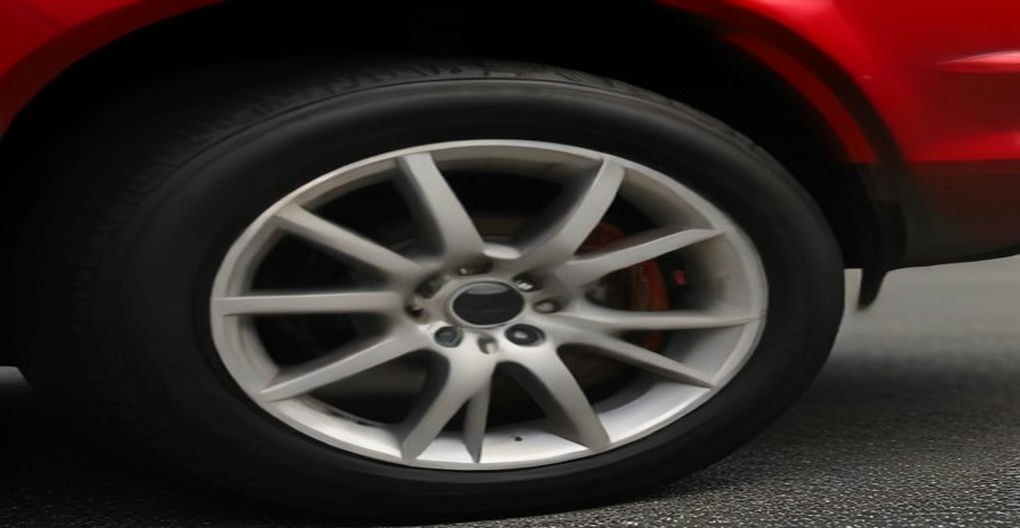
A flat tire is a 20-minute job if you know the steps: get off the road, loosen lugs before jacking, use proper jack points, torque in a star pattern, and respect donut spare limits.
 admin
A flat tire is a 20-minute job if you know the steps: get off the road, loosen lugs before jacking, use proper jack points, torque in a star pattern, and respect donut spare limits.
Balancing fixes vibration from uneven wheel weight; alignment fixes pulling and uneven wear from incorrect angles. Learn the symptoms, costs, and which service you actually need.
The legal minimum is 2/32 inch, but 4/32 is the real safety limit for wet roads. Learn the coin tests, the 6-year age rule, and which wear patterns demand immediate replacement.
P215/60R16 94H isn’t gibberish — it’s your tire’s size, load capacity, speed rating, and birth date. Learn to decode every sidewall marking in minutes.
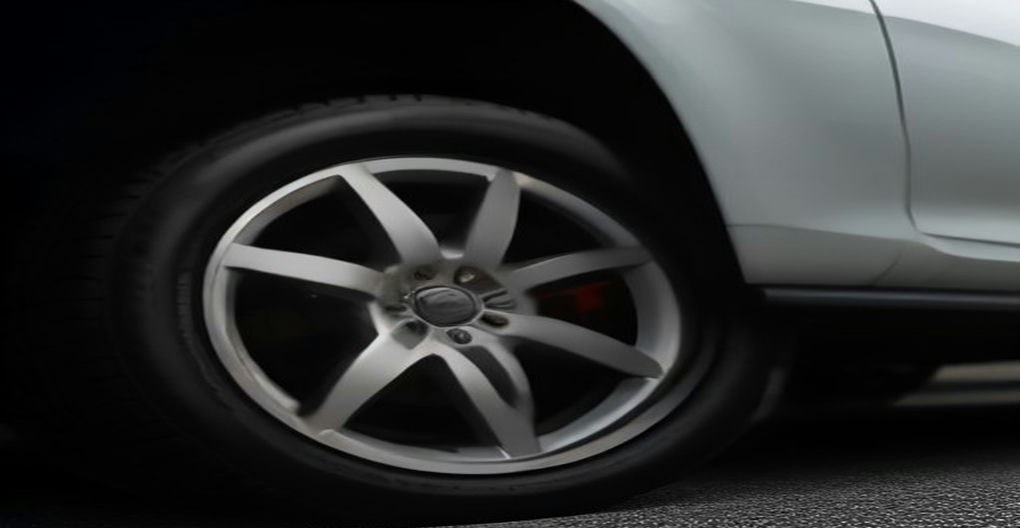
Check tire pressure monthly when tires are cold, using the door-jamb spec — never the sidewall max. Learn the temperature rule, gauge tips, and why TPMS isn’t enough.
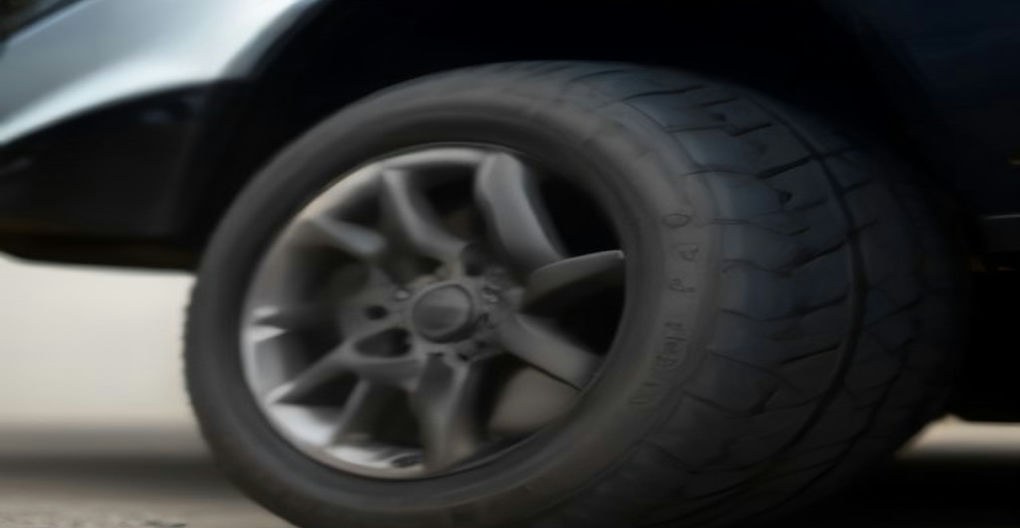
Rotate your tires every 5,000 to 7,500 miles using the pattern matched to your drivetrain. Learn FWD, RWD, and AWD patterns, torque specs, and signs you’re overdue.
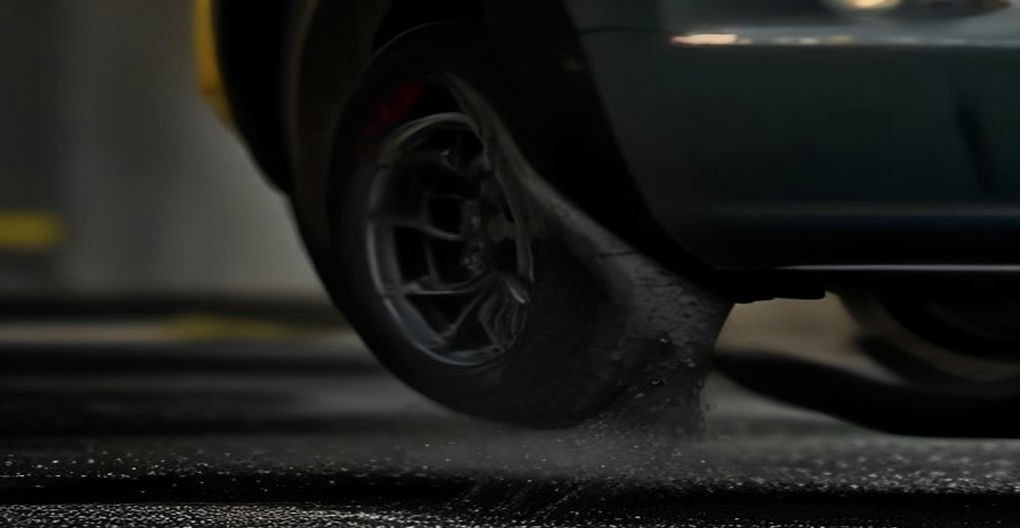
Squeaky brakes are usually worn pads, glazed surfaces, missing shims, or harmless morning rust. Here are the 7 causes, how to tell them apart, and the fix for each.
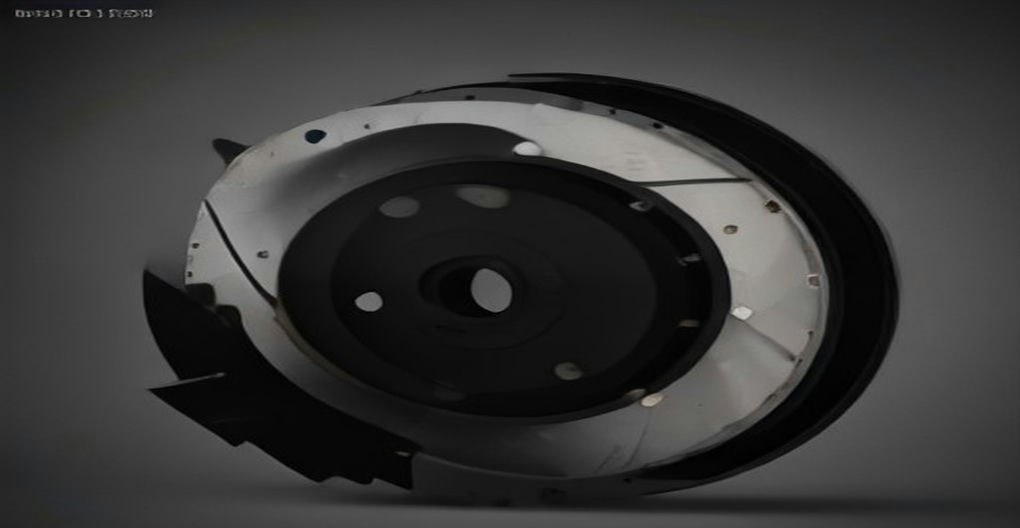
Resurfacing is cheaper but only safe above minimum thickness. Learn the measurements that decide, typical costs, and when replacement is mandatory.
Brake fluid absorbs moisture over time, lowering its boiling point and risking brake fade. Learn how to check the level, test for contamination, and when a flush is due.
Most brake pads last 30,000 to 70,000 miles depending on material and driving style. Learn the 7 warning signs of worn pads and how to check pad thickness yourself.