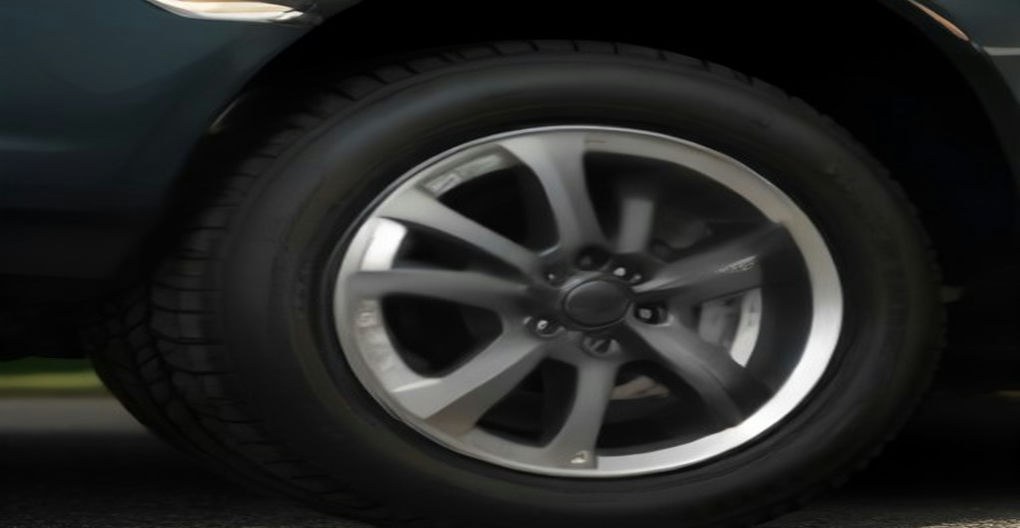
Tires are the only part of your car that touches the road, yet most drivers replace them too late. Knowing when to replace tires is not just about passing inspection — worn tread dramatically increases stopping distances and hydroplaning risk, especially in rain. The legal minimum and the safe minimum are two very different numbers.
This guide covers tread depth measurements, the simple coin tests, the age rule most people miss, and the wear patterns that mean replacement plus an alignment.
When to Replace Tires: The Key Tread Depth Numbers
- New tires: typically 10/32 to 11/32 inch of tread (some all-terrains go to 12/32+).
- Legal minimum: 2/32 inch in most U.S. states — the point where treadwear bars sit flush with the tread.
- Safety recommendation: replace at 4/32 inch for wet-weather safety. Below 4/32, hydroplaning resistance falls off sharply.
- Winter tires: replace at 6/32 inch. Winter compounds and sipes lose their snow bite well before the legal minimum.
Here is the uncomfortable truth: a tire at 2/32 inch is legal but takes significantly longer to stop in rain than the same tire at 4/32. Tests consistently show wet stopping distances growing by 30 to 50 percent as tread wears from new down to 2/32. The law sets a floor; physics sets the real limit.
How to Measure Tread Depth
The Penny Test (2/32 inch)
Insert a penny into a tread groove with Lincoln’s head upside down and facing you. If you can see the top of Lincoln’s head, the tread is at or below 2/32 inch — the tire is legally worn out and must be replaced.
The Quarter Test (4/32 inch)
Same idea with a quarter: insert it upside down into the groove. If the tread does not reach the top of Washington’s head, you are below 4/32 inch — time to shop for tires before the next rainy season, even though you are technically legal.
Tread Depth Gauge
A $5 tread depth gauge gives an exact 32nds reading and removes all guesswork. Measure in the center groove and both outer grooves — uneven readings reveal alignment or inflation problems.
Treadwear Indicator Bars
Molded bars run across the grooves at 2/32 inch height. When the surrounding tread wears flush with these bars, the tire has reached the legal minimum. Do not wait for this moment — plan replacement at 4/32.
The Age Rule: Replace Old Tires Regardless of Tread
Rubber degrades with time, heat, and UV exposure even if the car barely moves. Most tire manufacturers and safety experts recommend replacing tires 6 to 10 years after the manufacture date, regardless of how much tread remains.
Find the age on the sidewall DOT code — the last four digits are the week and year of manufacture (e.g., 2219 = 22nd week of 2019). A 9-year-old tire with 8/32 tread looks fine but has hardened, cracked rubber that can fail suddenly, especially in hot climates. Spare tires age out too — check the DOT date on yours.
Wear Patterns That Mean “Replace Now”
Depth is not the whole story. Replace tires immediately if you see:
- Bulges or blisters on the sidewall — internal structure is damaged and a blowout is possible at any time.
- Cuts or cracks deep enough to expose cords or fabric.
- Sidewall punctures — unlike tread punctures, sidewall damage cannot be safely repaired. Ever.
- Cupping or scalloped dips around the tread — worn shocks or imbalance have destroyed the tread; new tires need the underlying cause fixed first.
- Feathering or one-sided wear — an alignment problem. Replace the tires and get an alignment, or the new set will wear the same way.
- Exposed cords or belts — the tire is critically failed. Do not drive on it.
How Driving Conditions Change the Answer
- Rainy climates: treat 4/32 as your hard limit. Hydroplaning can start at speeds as low as 35 to 45 mph on worn tires standing water.
- Snow and ice: winter tires below 6/32 have lost most of their advantage over all-seasons. Replace before winter, not during it.
- Hot climates: heat accelerates aging — lean toward the 6-year end of the age range.
- Highway driving: sustained high speeds generate more heat in worn, thin tread — do not stretch marginal tires on long trips.
Replace Two or Four at a Time?
Always replace in axle pairs at minimum. If only two tires are worn, put the new tires on the rear axle — this surprises many people, but rear grip prevents spin-outs in wet conditions, and it is the tire industry’s standard recommendation even for front-wheel-drive cars.
On AWD vehicles, replace all four if the tread-depth difference between the most and least worn tires exceeds about 2/32 to 3/32 inch. Mismatched diameters force the center differential to work constantly, causing expensive drivetrain wear.
Common Tire Replacement Mistakes
- Waiting for the legal minimum. 2/32 is a legal technicality, not a safety standard — 4/32 is the real-world limit.
- Ignoring age. Low-mileage cars and trailers are the classic victims of age-related tire failure.
- Replacing tires without fixing the cause of uneven wear — alignment, balance, or worn suspension parts will eat the new set just as fast.
- Putting new tires on the front when replacing only two — new rubber belongs on the rear.
- Mixing wildly different tires across axles (different sizes, types, or hugely different tread depths), which confuses ABS and stability control.
Check your tread depth every few months with a quarter or a gauge, check the DOT date once a year, and shop for tires at 4/32 — not at 2/32 on a rainy night. Your tires are your car’s entire connection to the road; give them the attention that deserves.